MYRTHE VAN DER MARK
the Netherlands, 22.12.1989
currently based in Brussels

I keep on coming back to you.
ENG
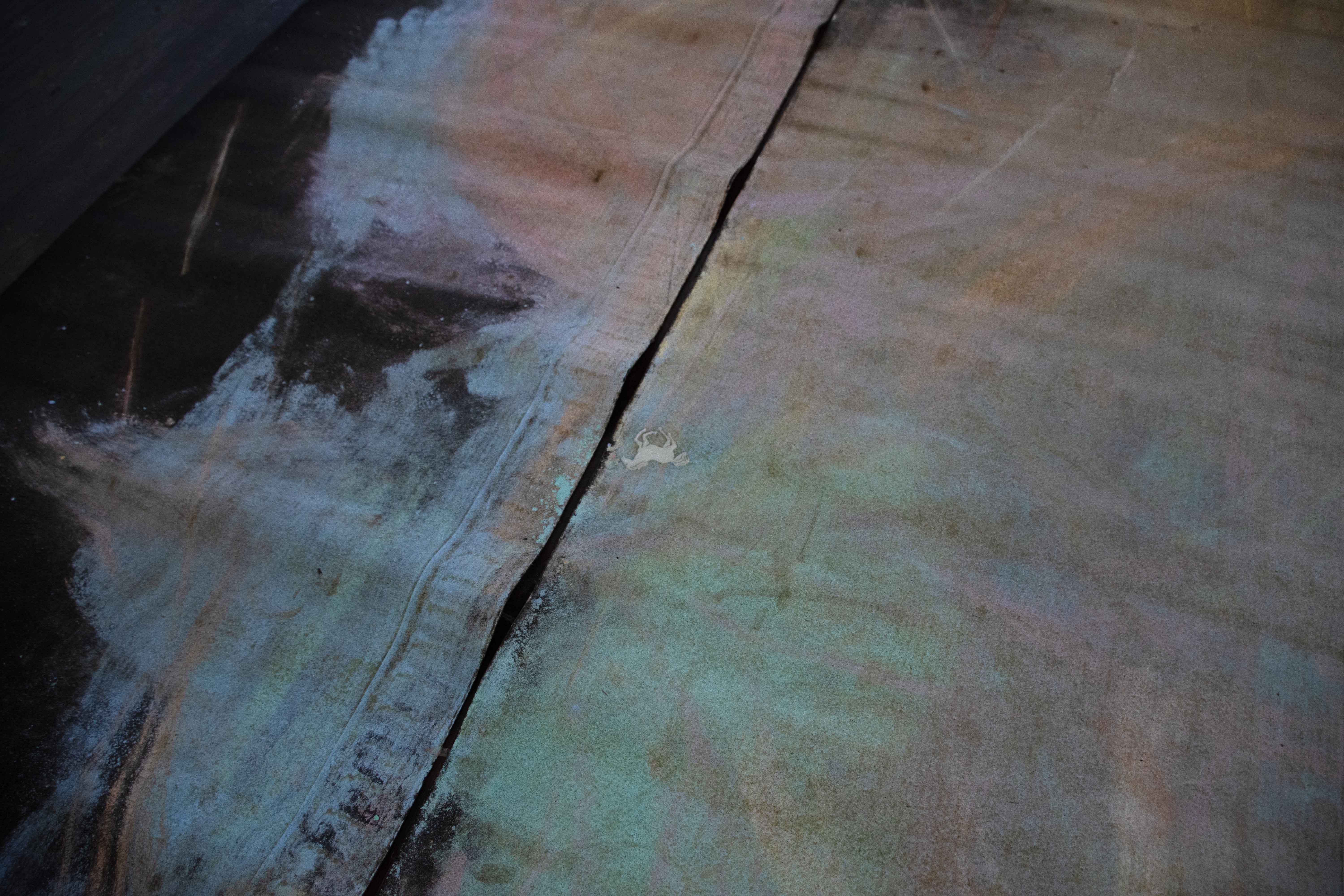
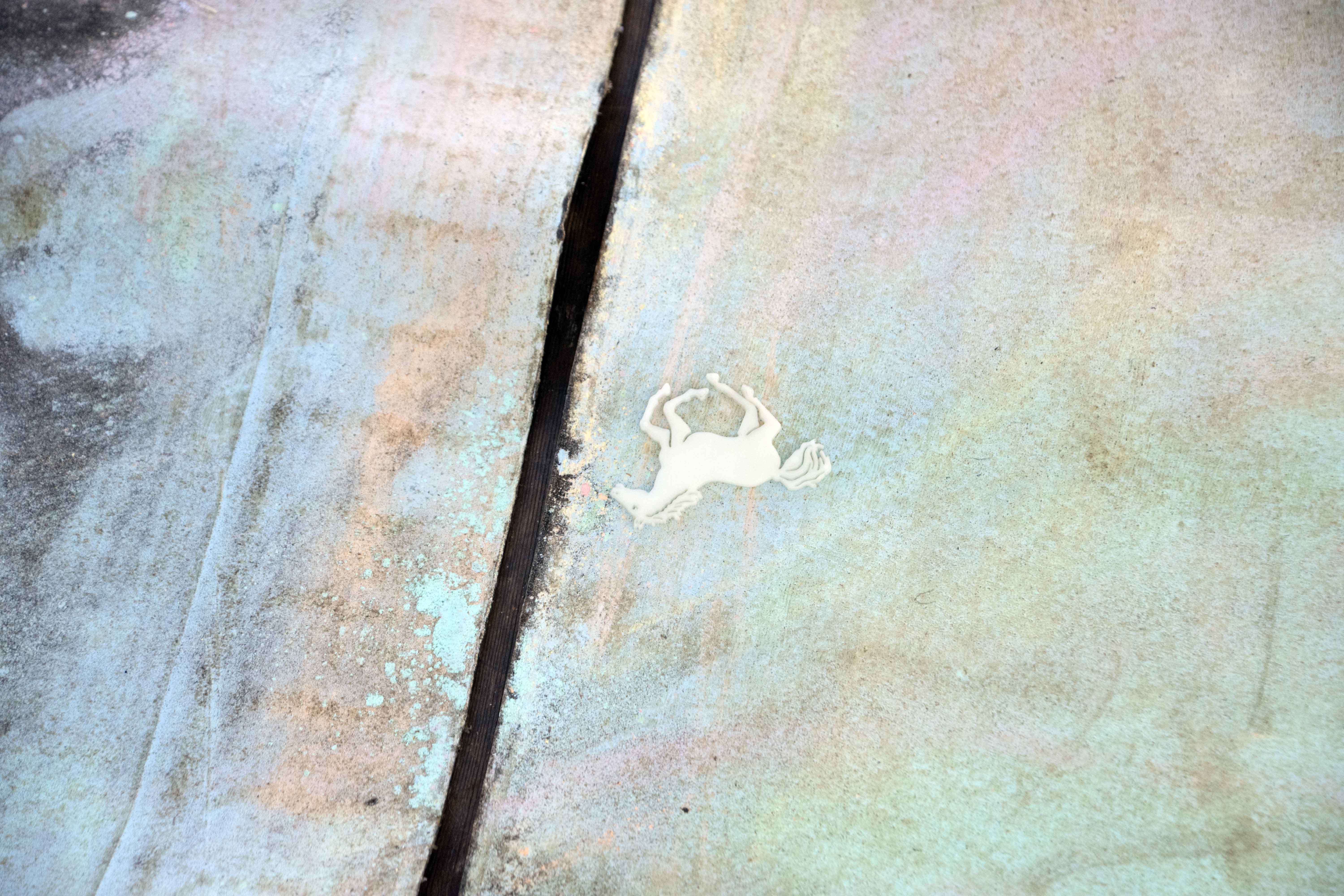
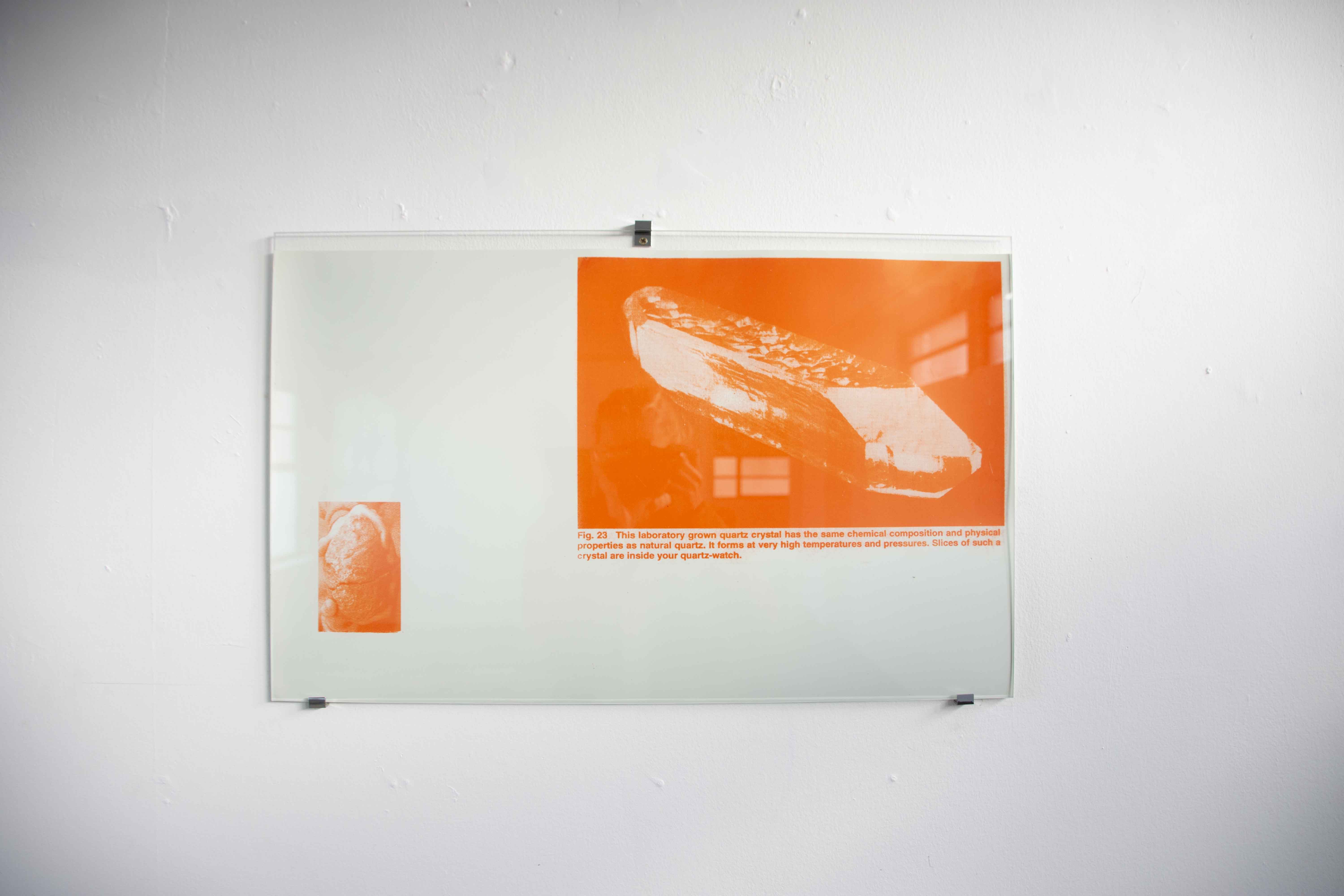
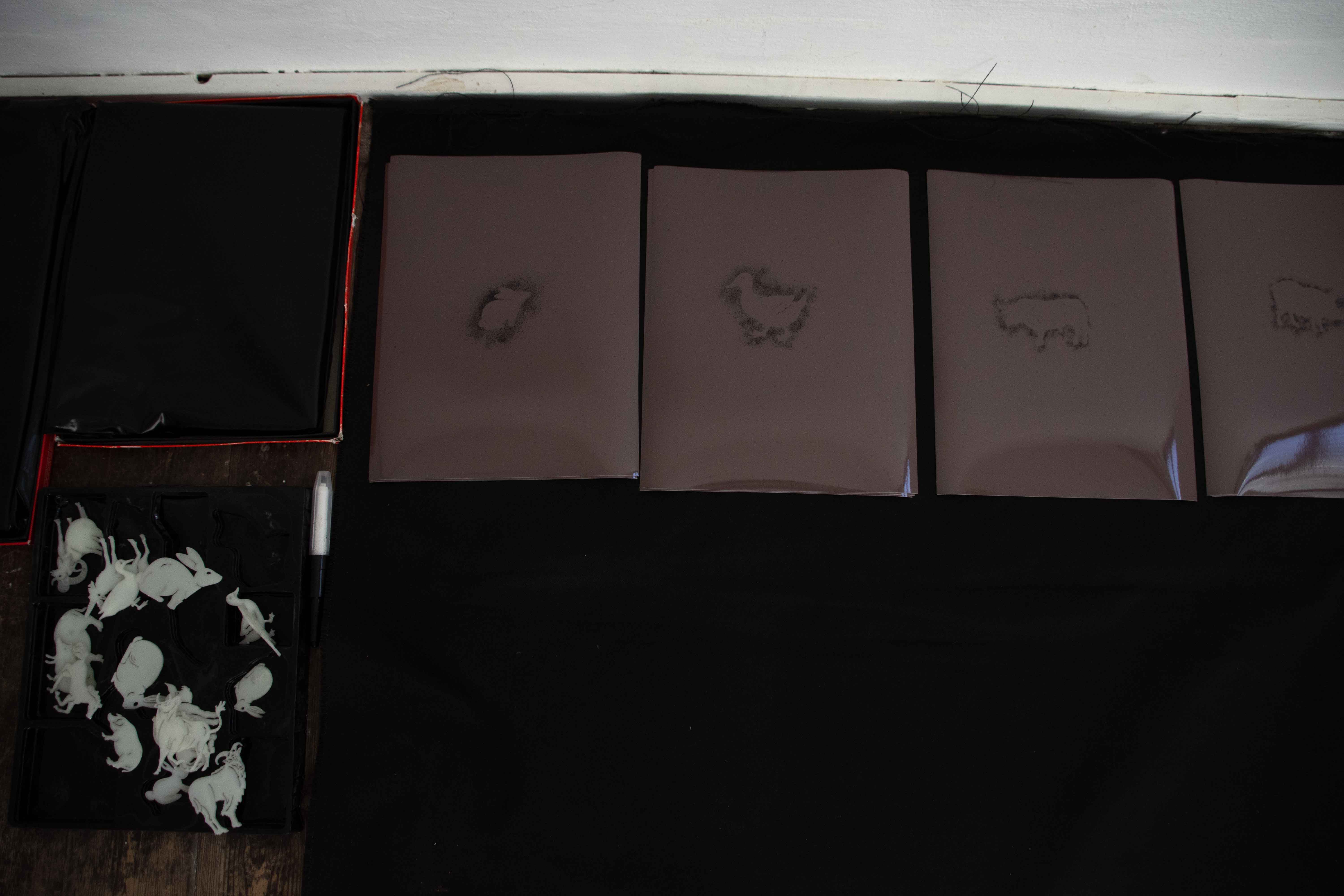
During my residency at MASEREEL, I worked with Steiner-Waldorf techniques together with my mother, who taught me wet-on-wet painting and form drawing. From there, I moved into lino and screen printing, eventually stamping my mirrored initials onto UV-printed stickers.
These processes will continue in my upcoming exhibition at MACS Grand-Hornu at the end of 2026 and at KIOSK in spring 2027.
A huge thanks to the Flemish Government for their support.
NL
Tijdens mijn residentie bij MASEREEL werkte ik samen met mijn moeder rond Steiner-Waldorf-technieken. Zij leerde me nat-in-nat schilderen en vormtekenen. Van daaruit ging ik verder met linosnede en zeefdruk, en uiteindelijk met het stempelen van mijn gespiegelde initialen op UV-bedrukte stickers.
Deze werkwijzen zet ik voort in mijn komende tentoonstelling bij MACS Grand-Hornu eind 2026 en bij KIOSK in het voorjaar van 2027.
Hartelijk dank aan de Vlaamse Gemeenschap voor de steun.


DER WIND TRUS ES IN SEINEM BAUCHE, UND SEINE AMME IST DIE ERDE.
Sein Vater ist die Sonne, und seine Mutter ist der Mond. Der Wind trug es in seinem Bauche, und seine Amme ist die Erde., 2025
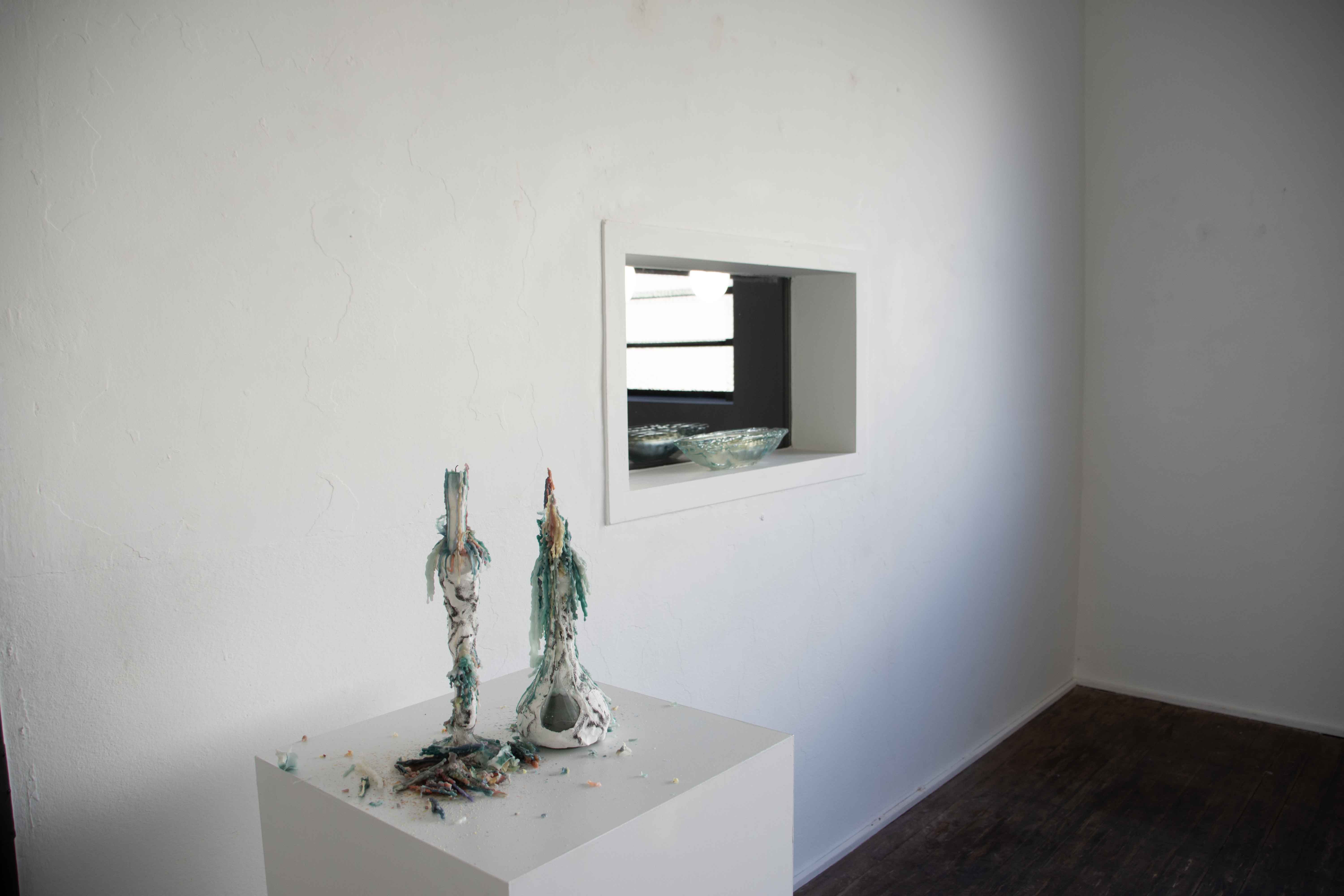
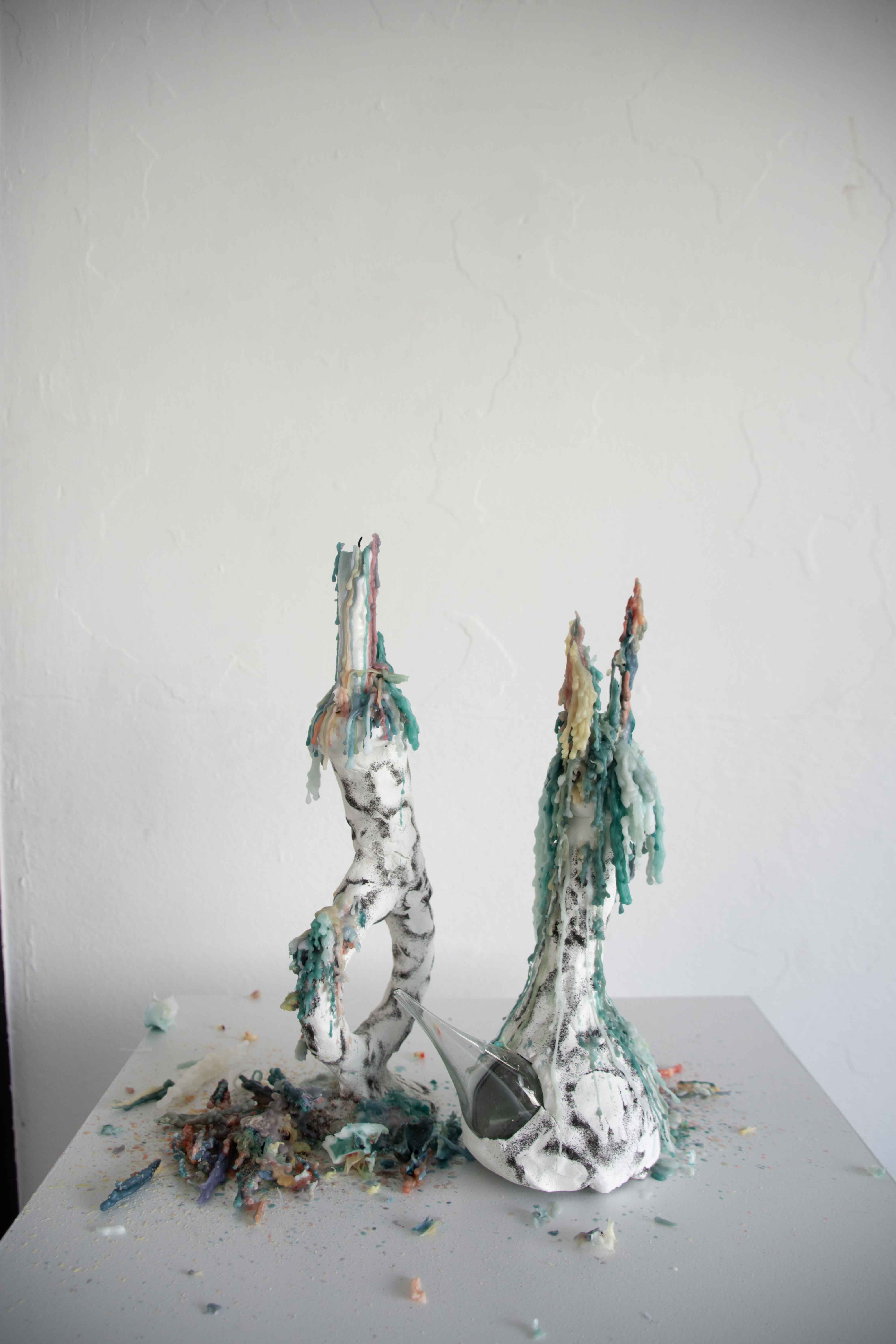
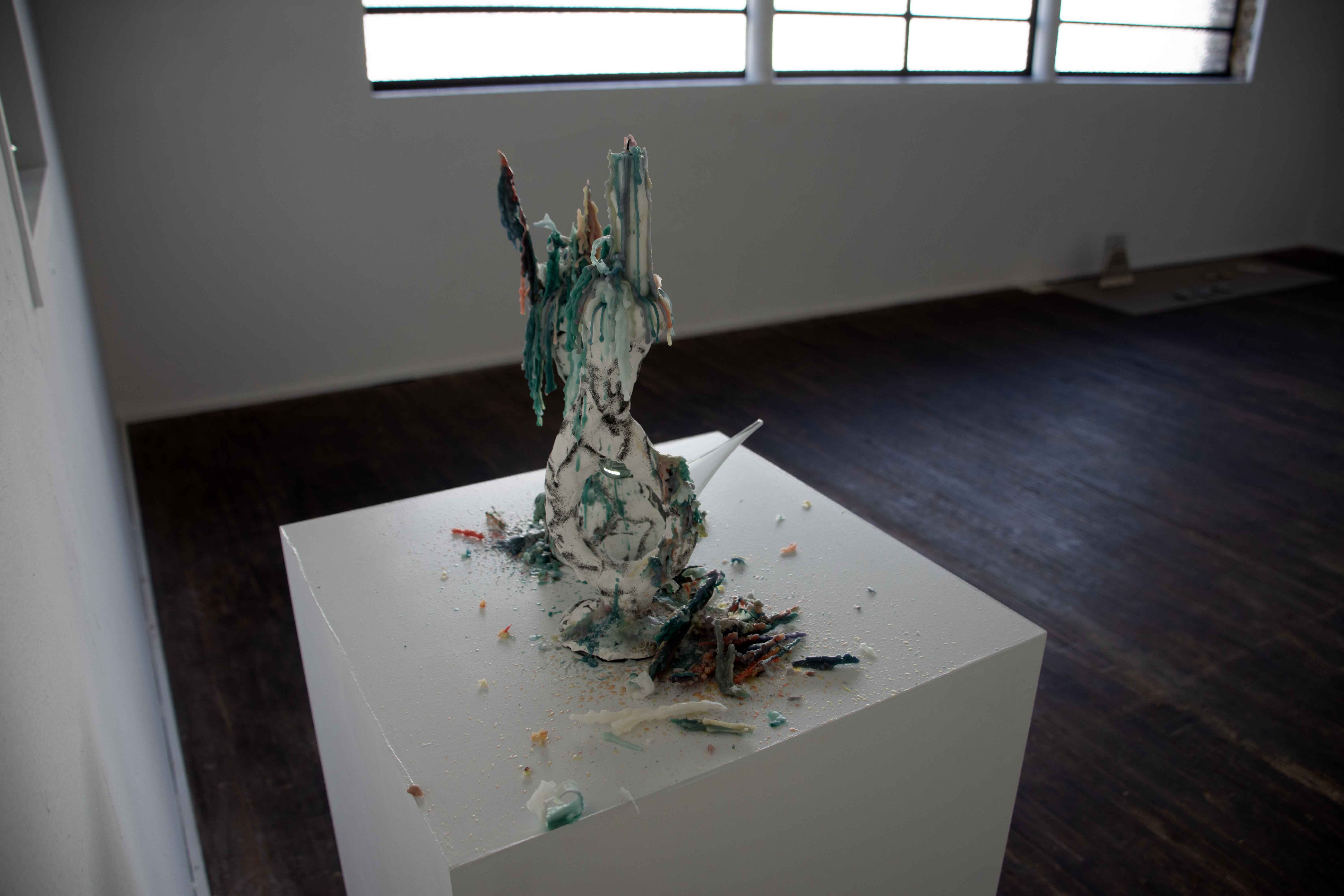
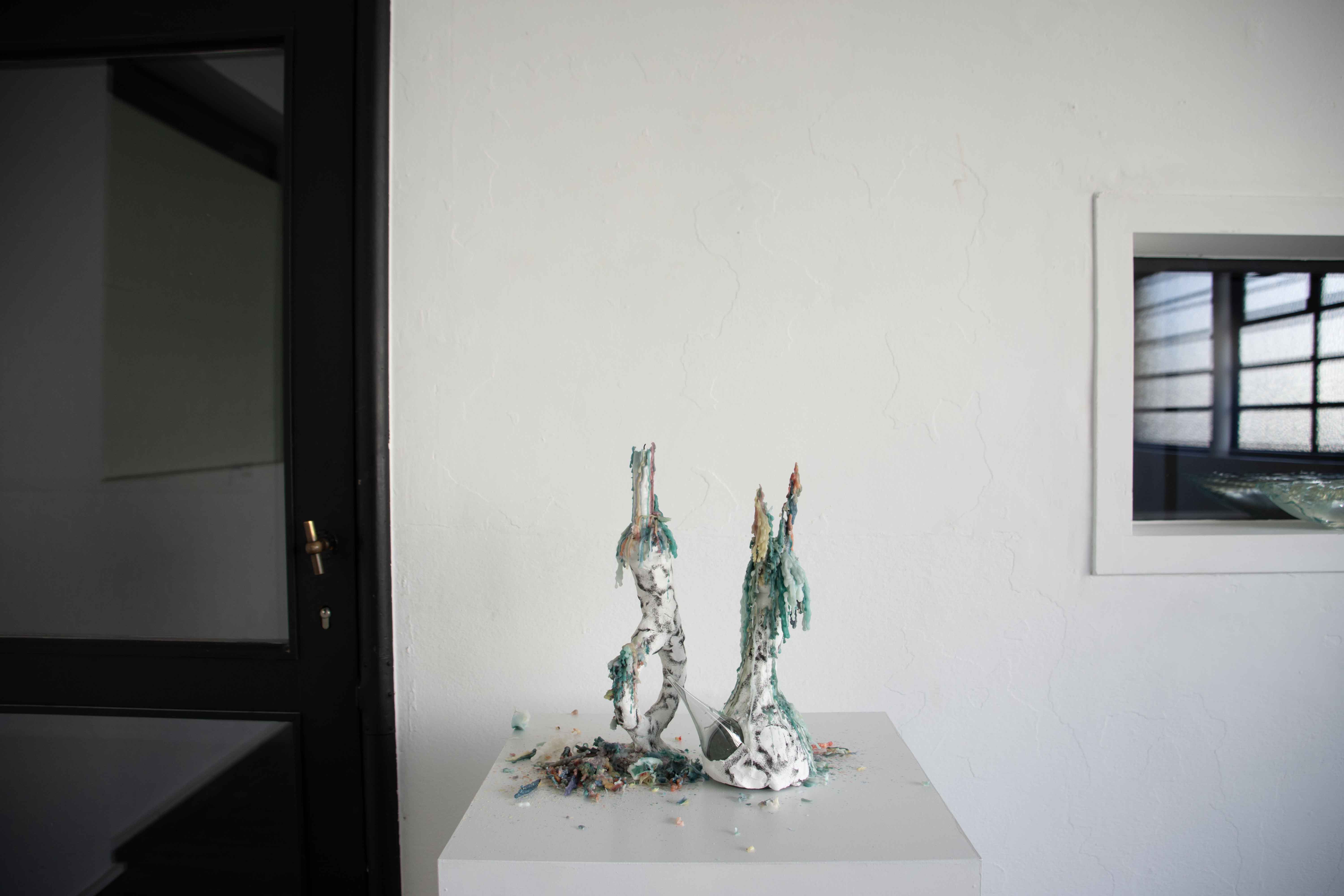
Series of four St. John’s Wort preparations, vase in glass by Serax found at Rotor Deconstruction
not for ourselves alone, 2025
Audio, recordings of St. John's songs sung by children from the Steiner School in Brussels (Sint-Janskruidlaan) are played through speakers
For the Garden Days at Nesse, I presented Sein Vater ist die Sonne, und seine Mutter ist der Mond. Der Wind trug es in seinem Bauche, und seine Amme ist die Erde, a work created for Publiek Park 2025 at the Botanic Garden Meise.
The work was originally presented in the historic Victoria greenhouse, or Balatkas, as an installation consisting of an octagonal plexiglass platform holding four preparations made from St. John’s Wort: an ointment, soap, infusion and watercolour. The preparations were distilled from my own harvest and presented in Serax vases obtained from Rotor Deconstruction.
For the presentation at Nesse, the work entered into a new relationship with the garden and its plants. As part of the Think Residency Collegedag on 25 June, I harvested flowering St. John’s Wort from the garden and prepared an oil macerate on site. The flowers were immersed in oil and left in the sun, allowing the oil to slowly take on the characteristic red colour of the plant.
During the opening of the garden on 4 July, the sound work not for ourselves alone was played. The work consists of recordings of St. John’s songs sung by children from the Steiner School in Brussels, located on Sint-Janskruidlaan (St. John’s Wort Street). The title refers to the Latin phrase Non nobis solum, meaning “not for ourselves alone”. At Nesse, the installation, the newly prepared St. John’s Wort oil and the sound work came together in a new constellation, presented within a woven willow structure in the garden.
Presented at Nesse, Terneuzen (NL)


MUST BE FROM A REAL-ESTATE AGENT.
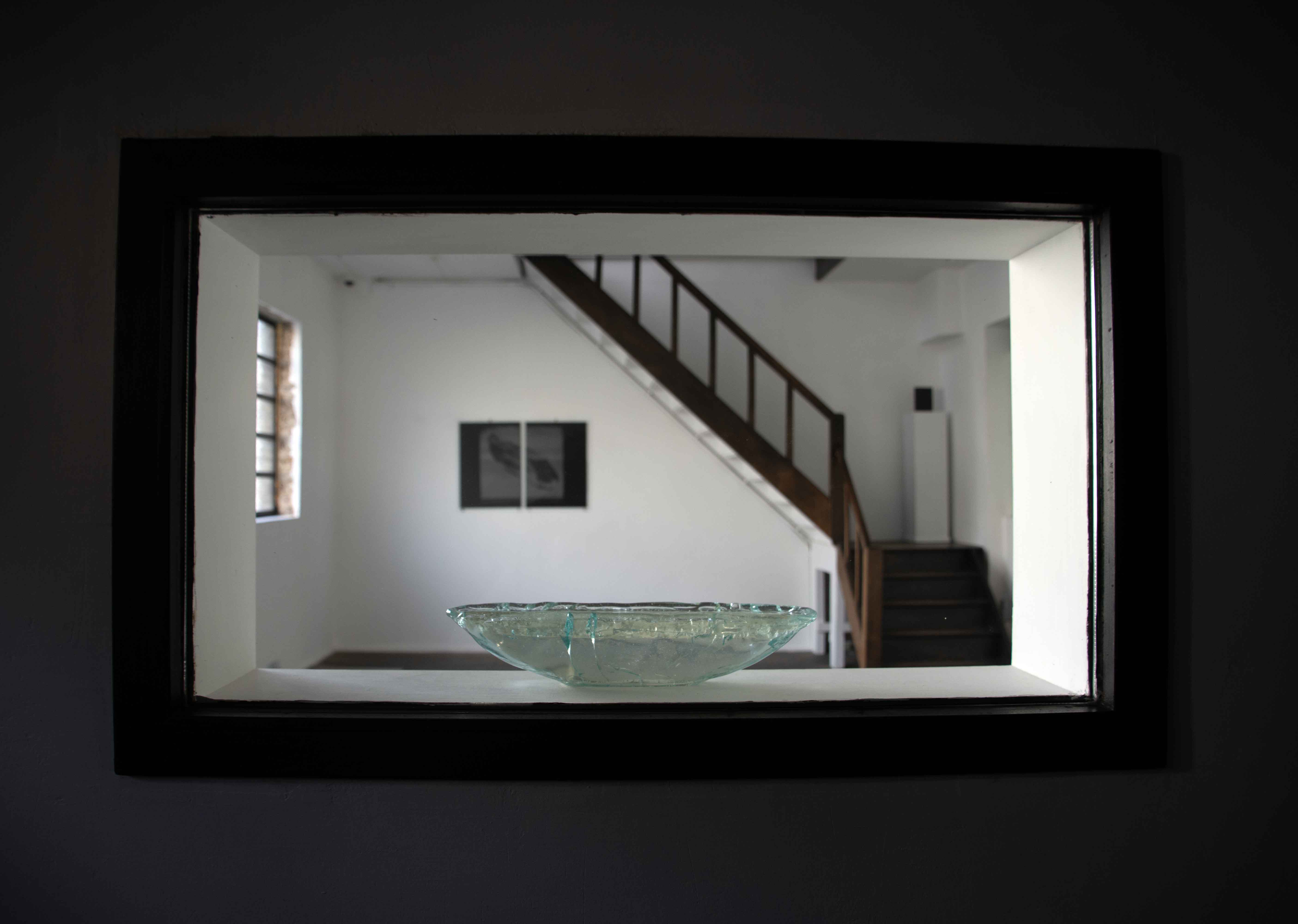
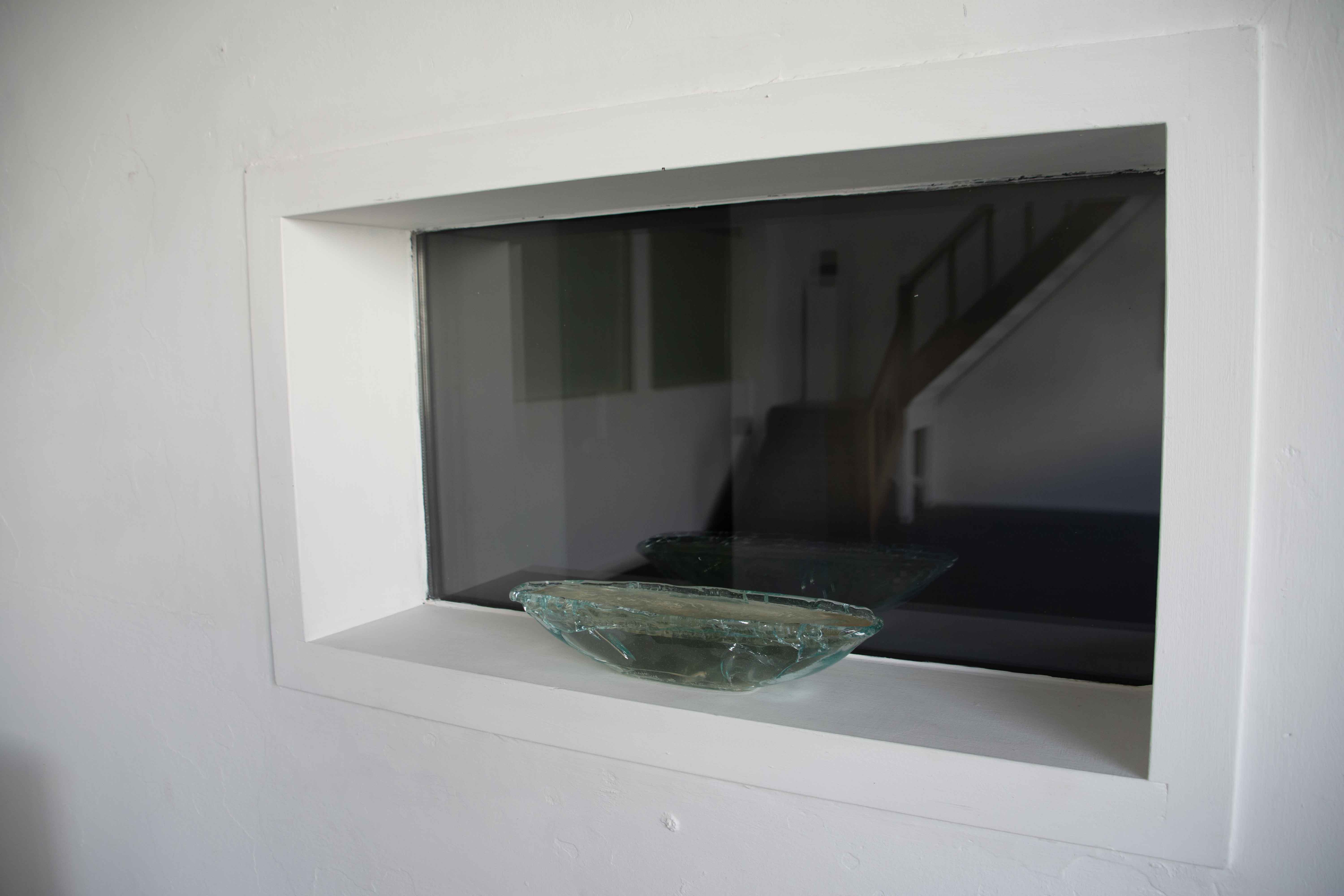
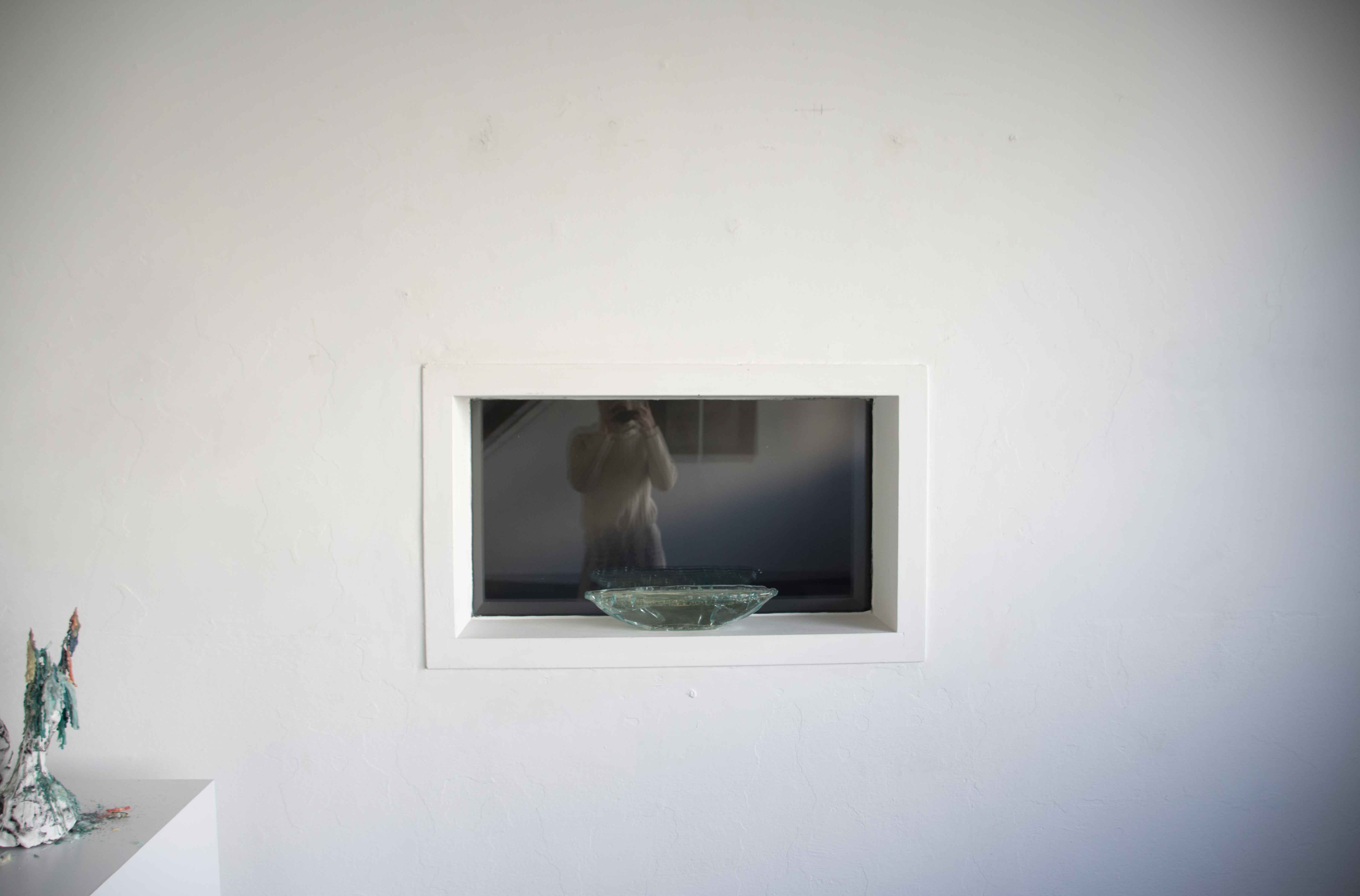
A six-week continuous live stream from a Green Tree Python inhabiting the vitrine 76.4, hosted by Michel François.
Presented at 76.4, Brussels (BE)
A six-week continuous live stream from a Green Tree Python inhabiting the vitrine 76.4, hosted by Michel François.
Presented at 76.4, Brussels (BE)


“W_ _H”, “SH_ _ER” AND “S_ _P”
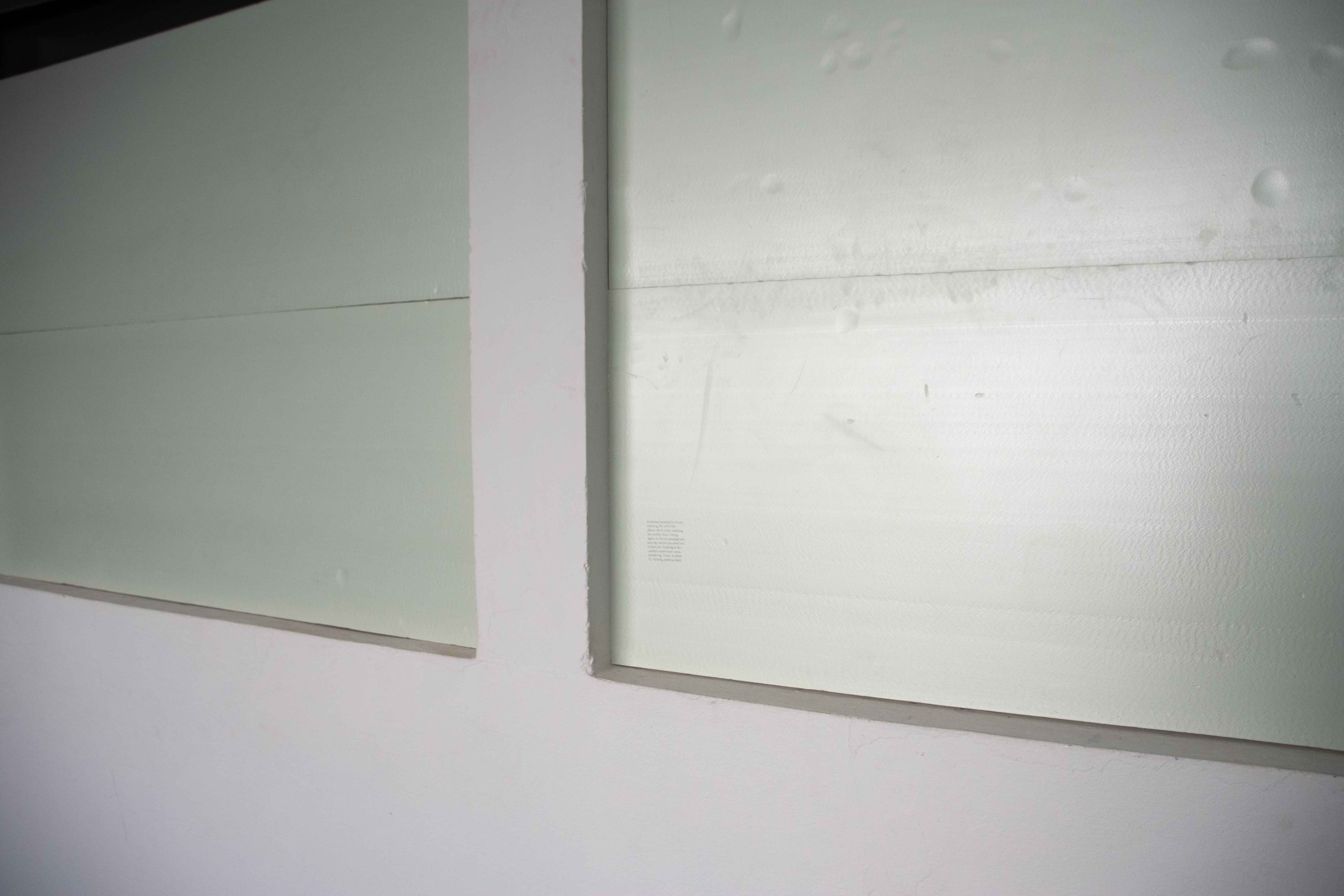
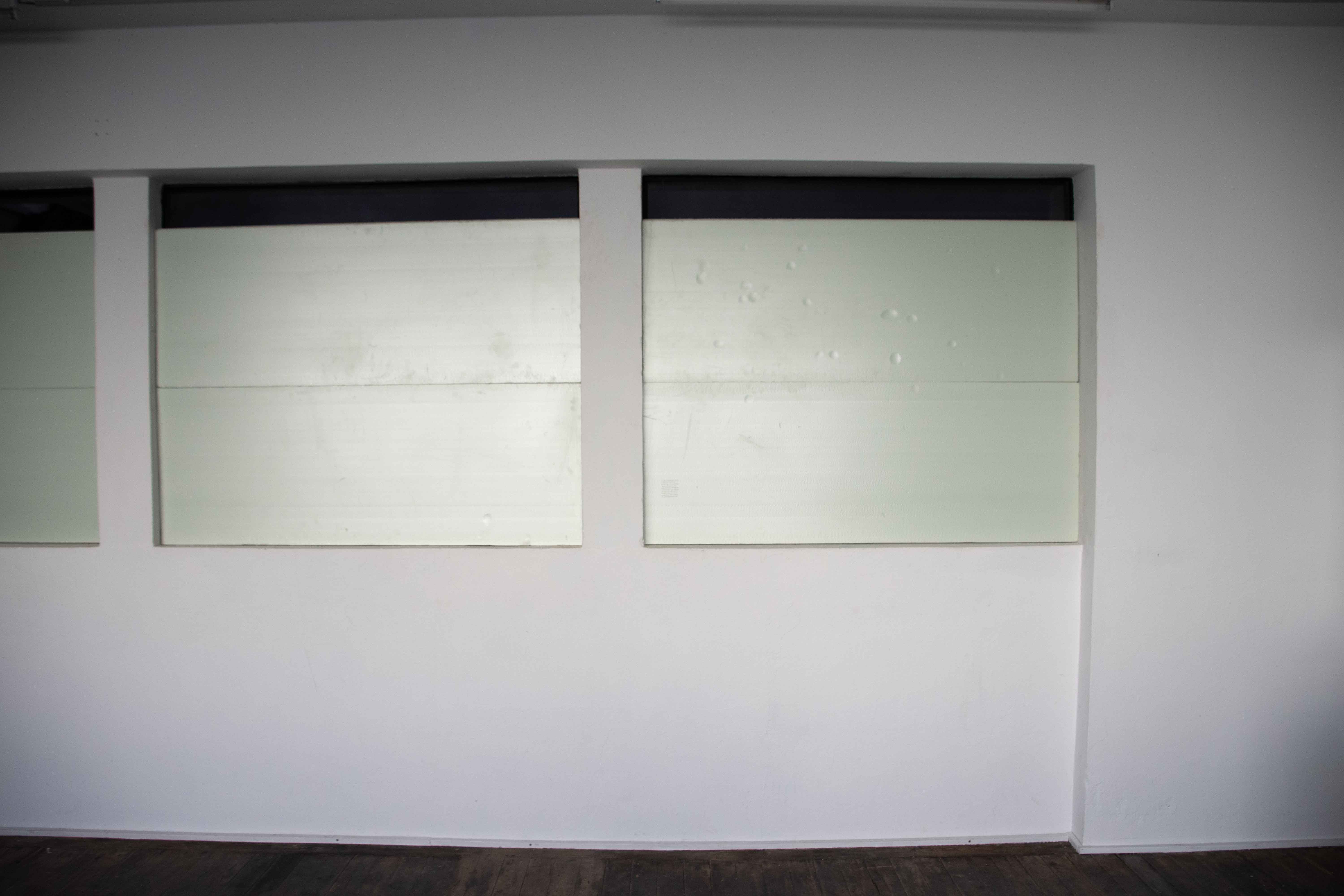
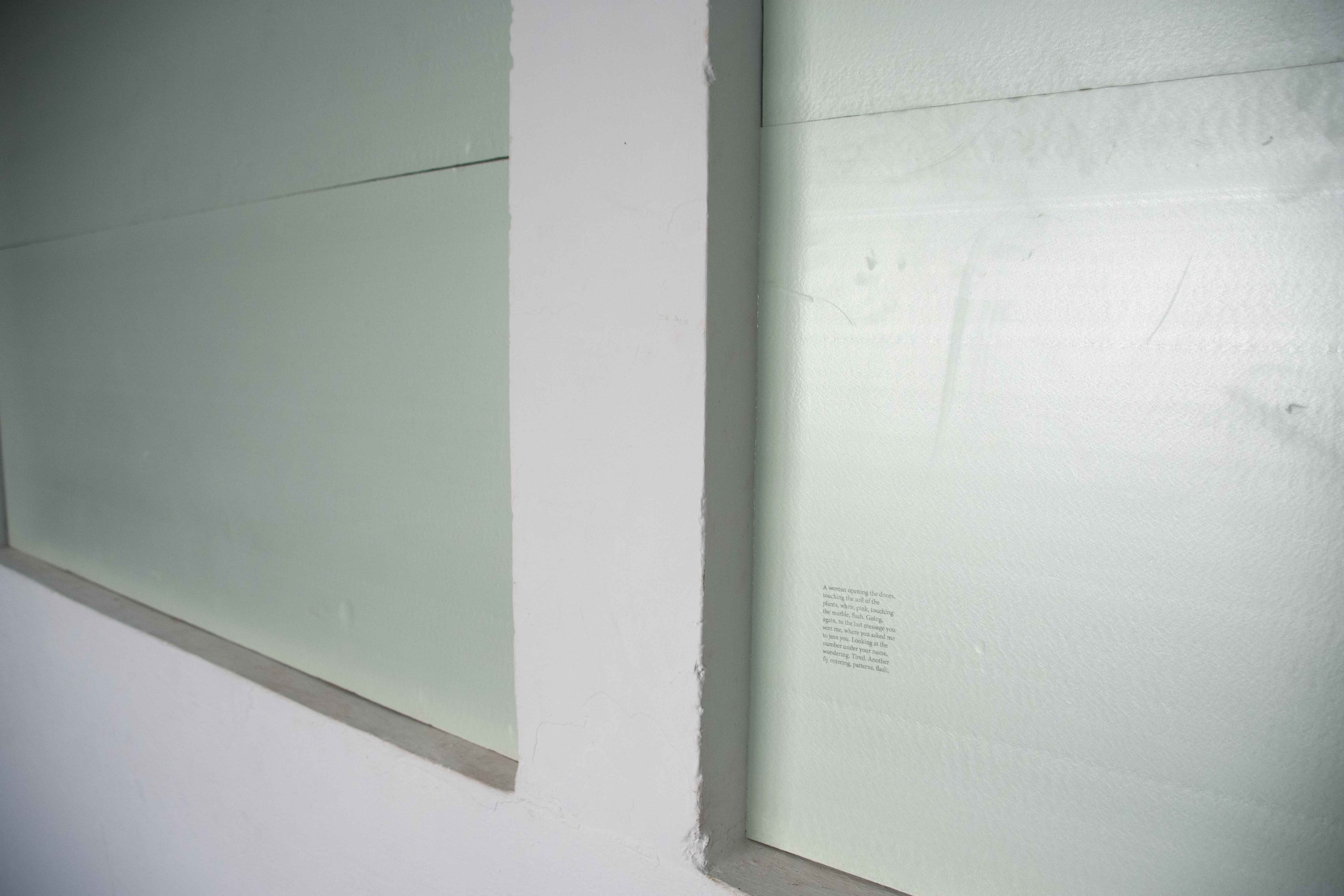
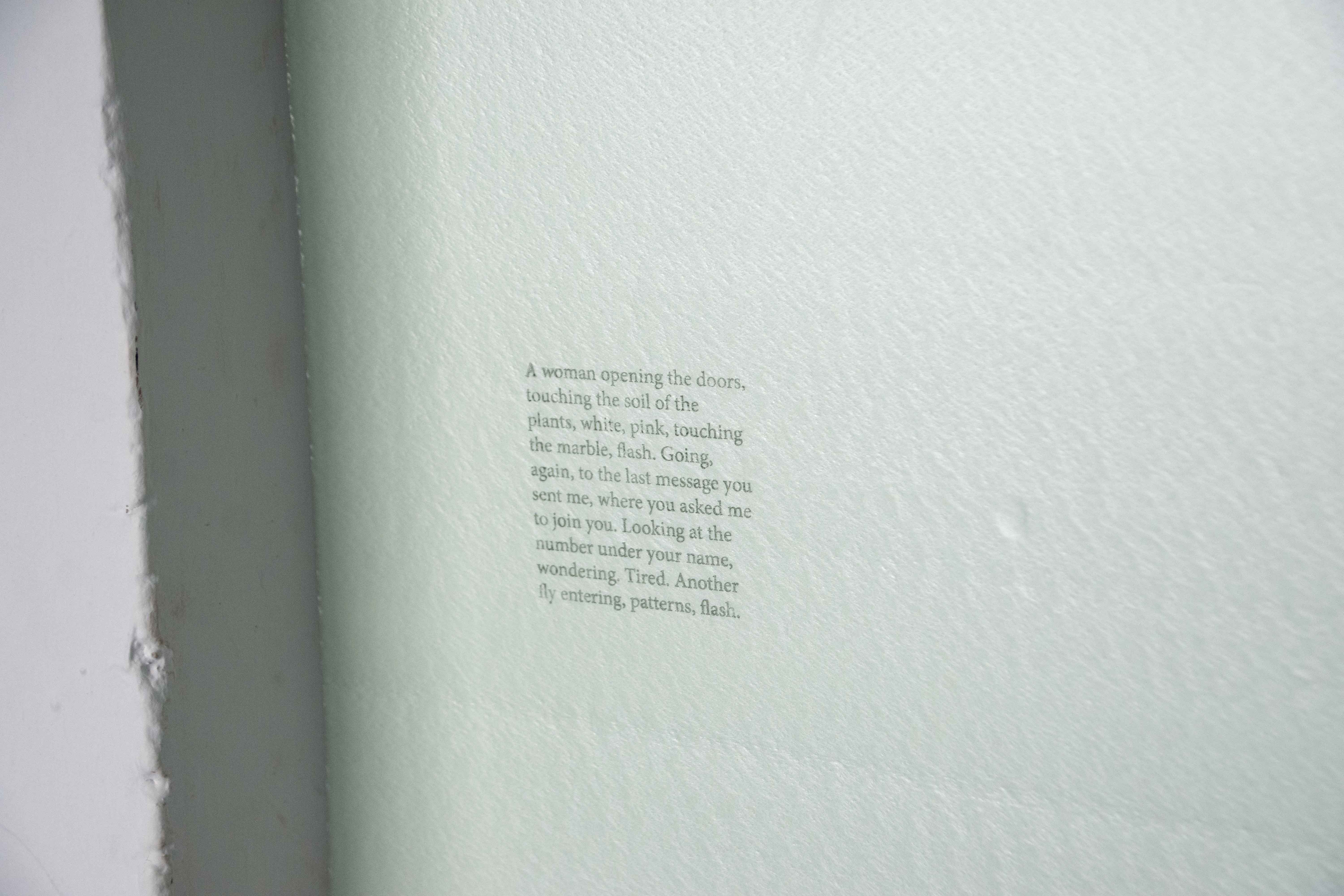
A woman opening the doors, touching the soil of the plants, white, pink, touching the marble, flash. Going, again, to the last message you sent me, where you asked me to join you. Looking at the number under your name, wondering. Tired. Another fly entering, patterns, flash.
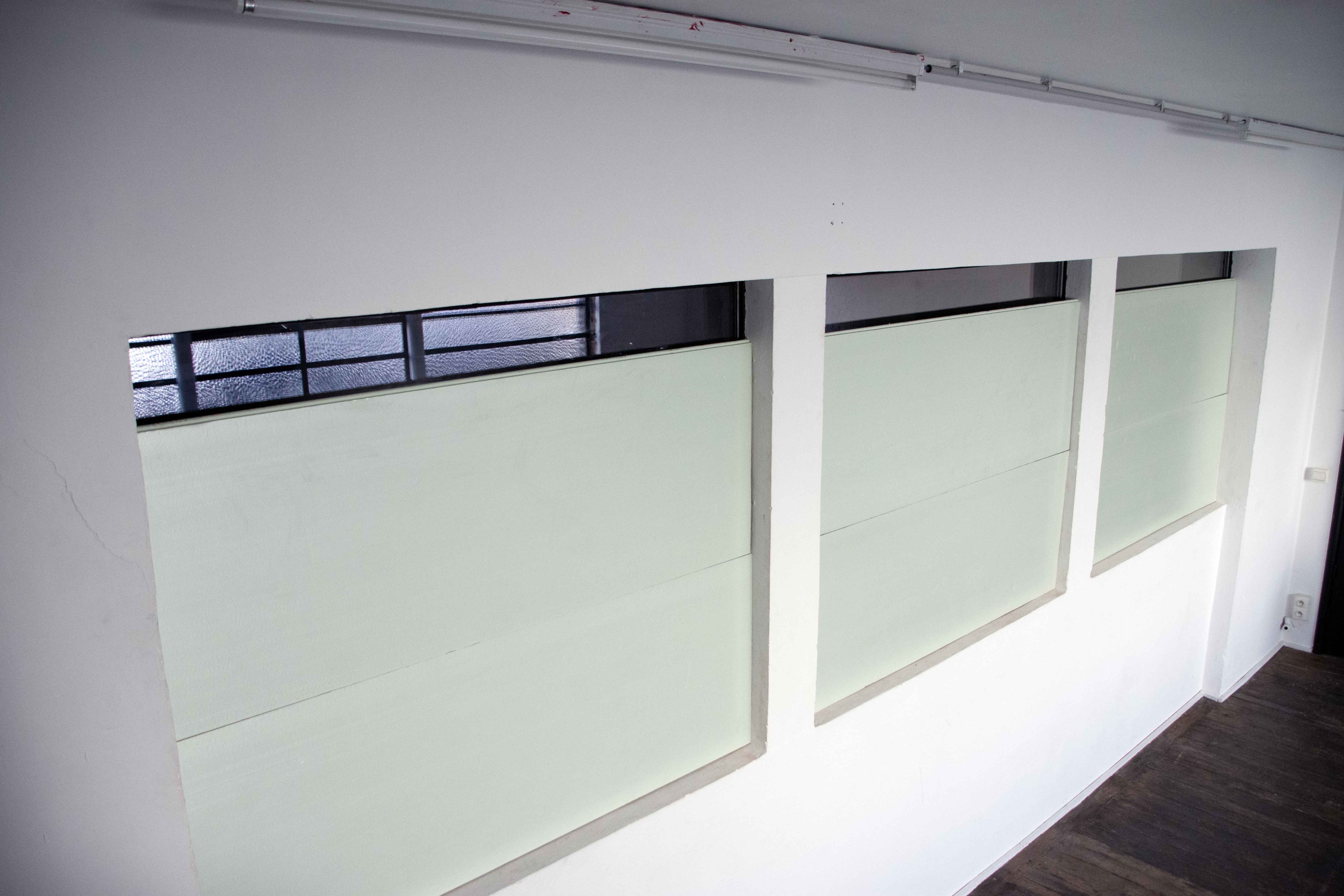
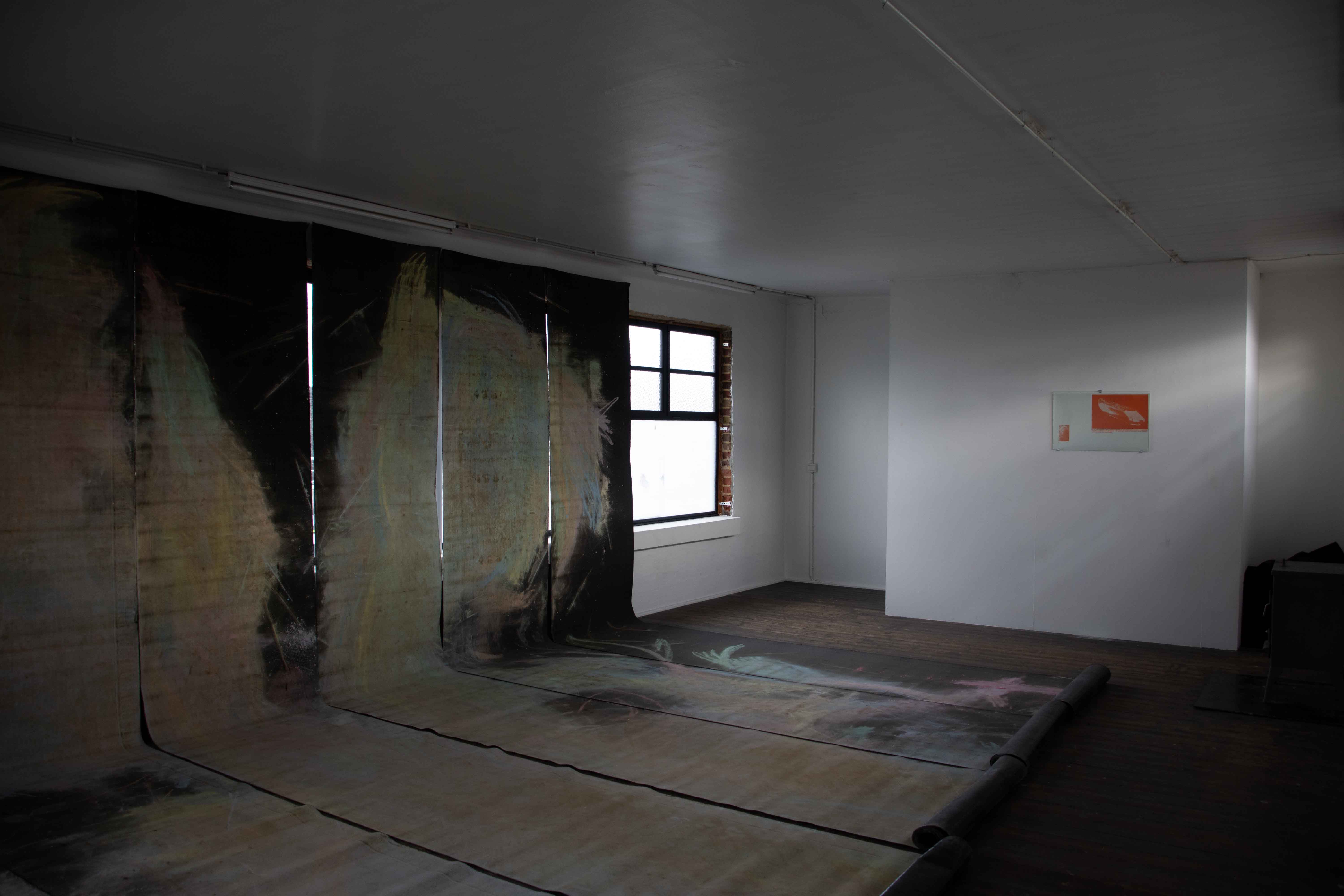
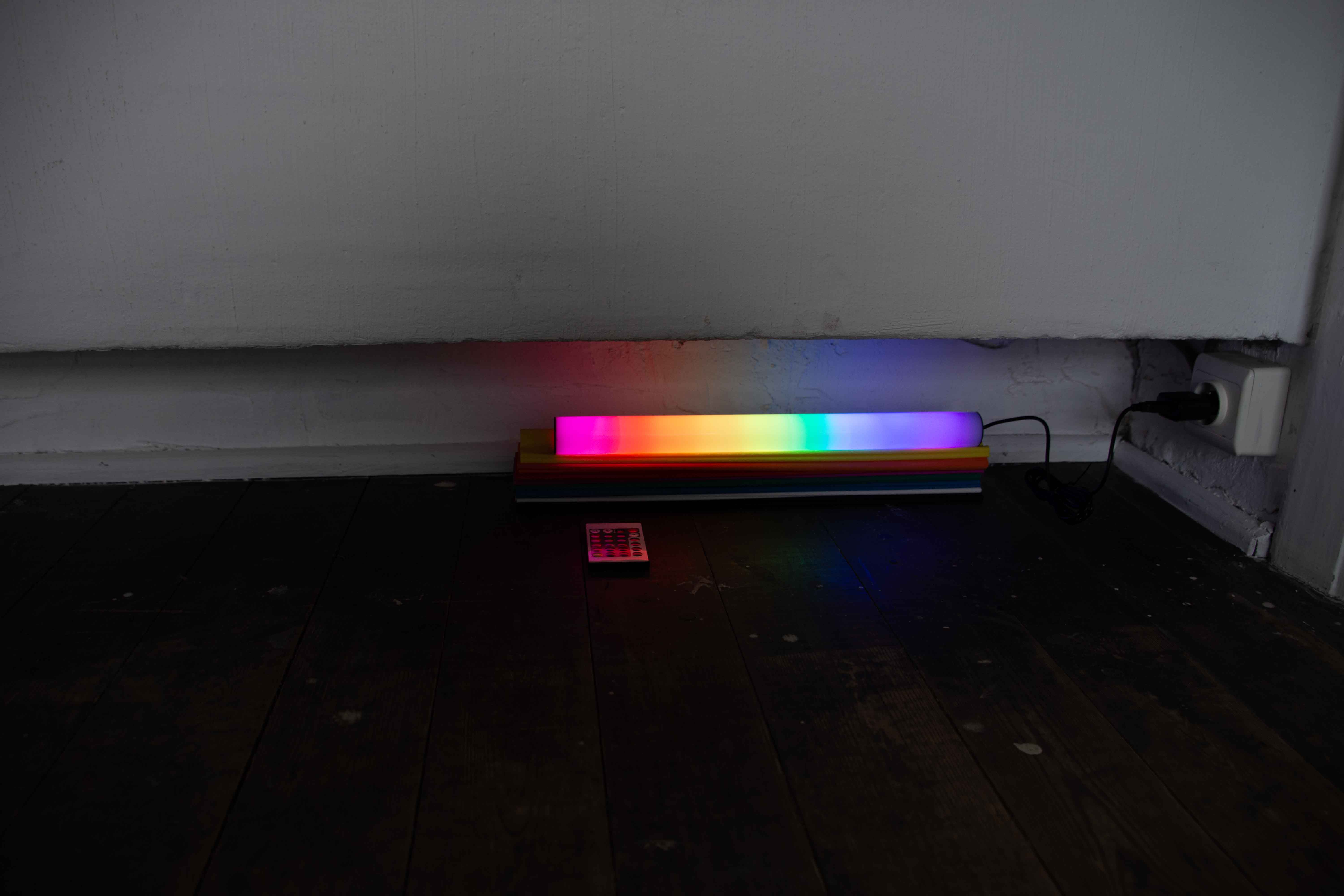
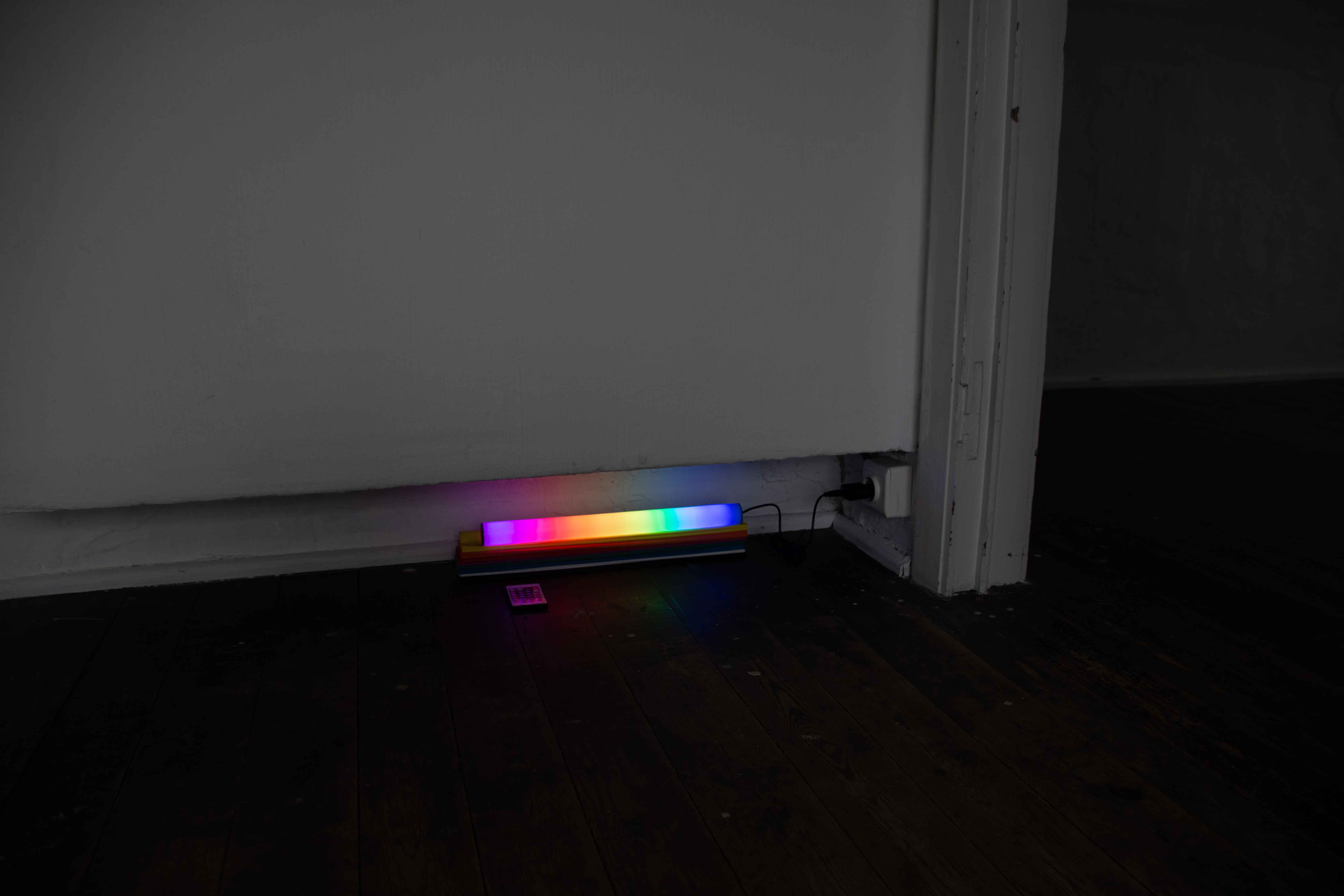
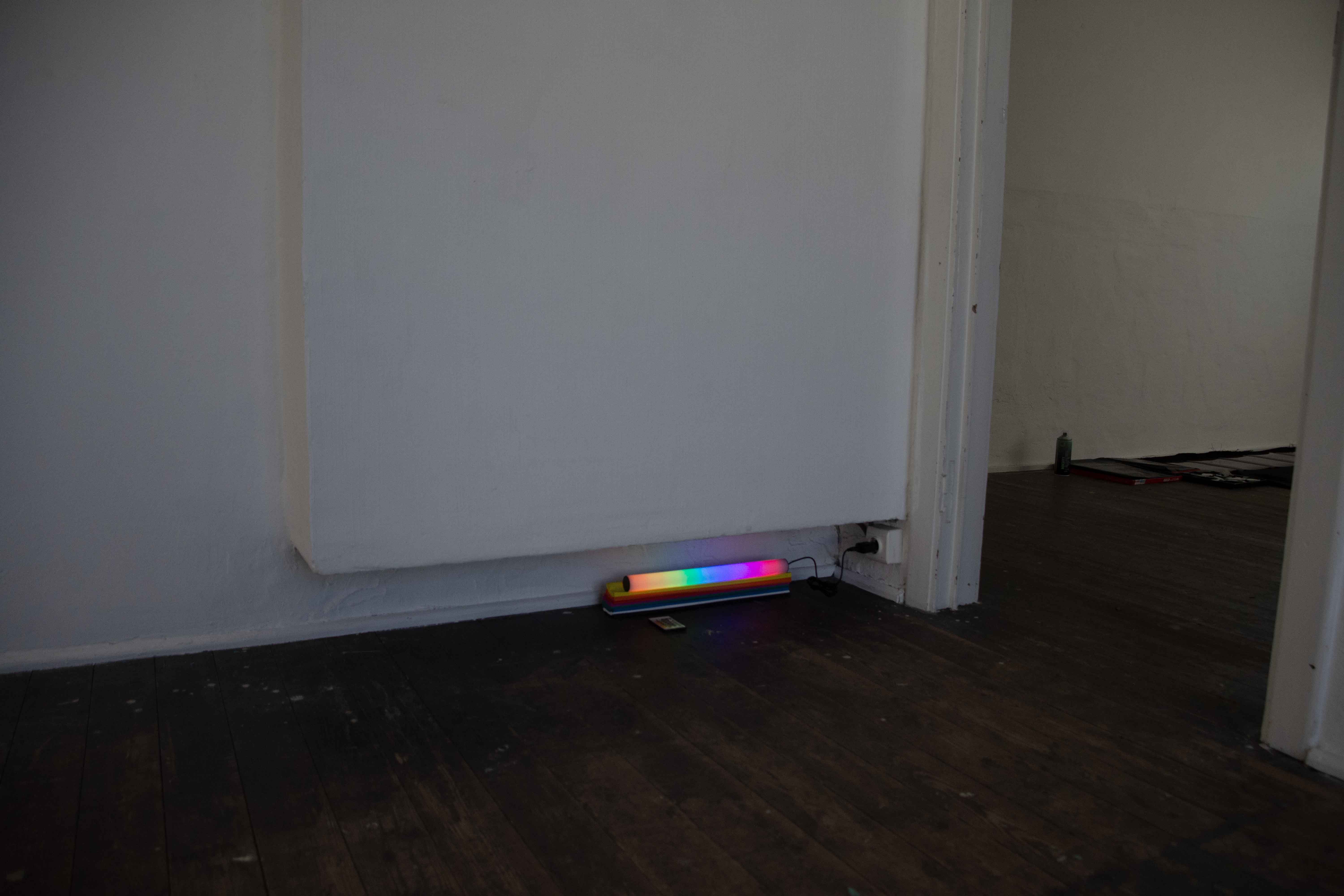
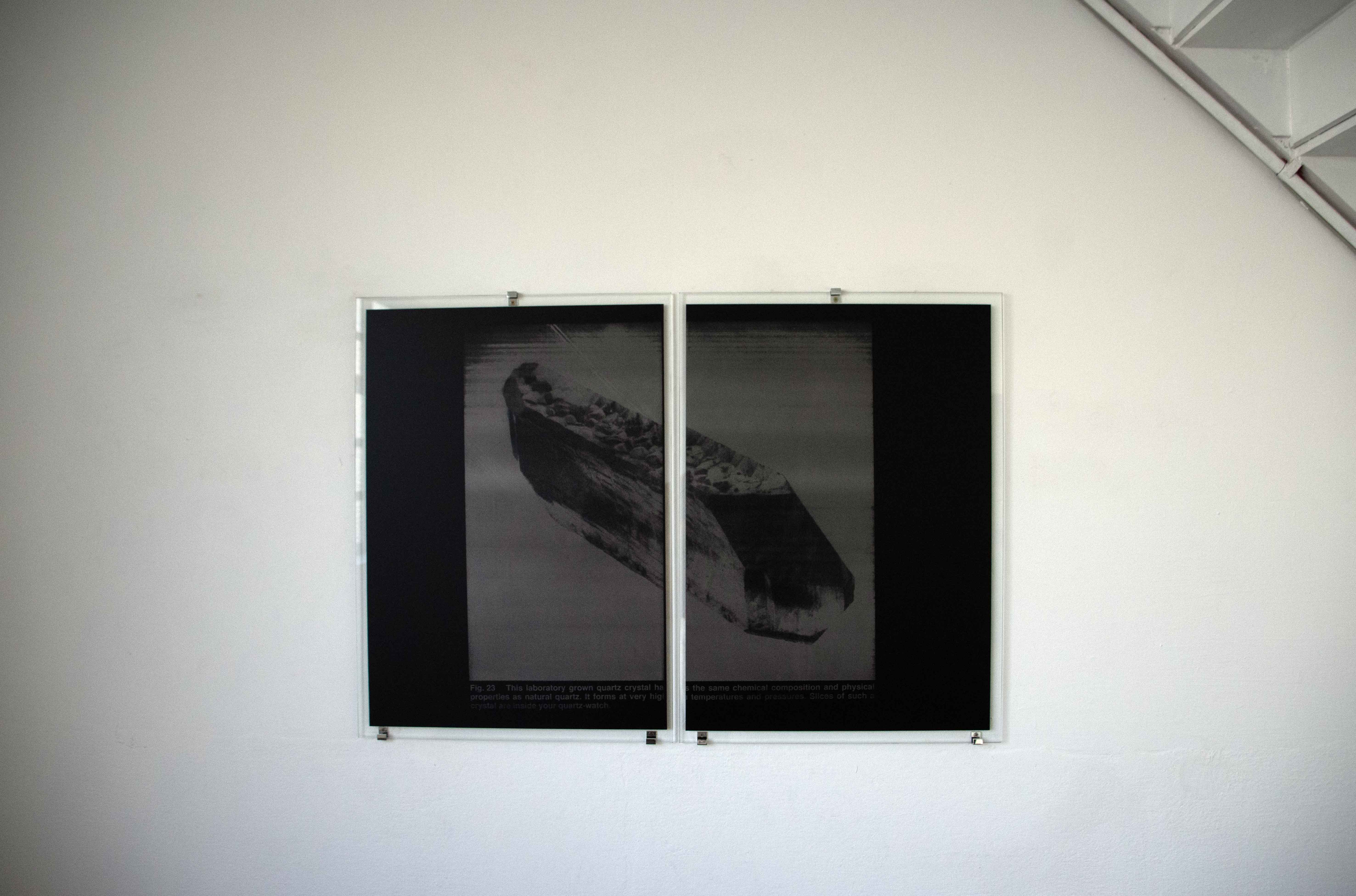
The solo exhibition “W_ H,” “SH ER,” and “S _P” by Myrthe van der Mark at Gevaertsdreef 01 presents an exploration in which the artist recalls a memory that never stops, despite the saying that memory is not always what the heart desires.
BIG DEAL, WE WENT TO THE MOON?
BIG DEAL
WE WENT TO MARS
BREAK ON THROUGH TO THE OTHER
SIDE, PATTI SMITH, 2025
QUORUM FORMA FULGET
IN FACIE VERSTRA
(whose form reflects in flash upon your face)
O VOS ANGELI, HILDEGARD VON BINGEN
2025
SPLATTERED LIGHT BEAMS
INTO PRISMS
THE GATE, BJÖRK
2025
PUELLE AGENTIS SECUNDUM OPERA QUE
SIBI DIXERAS
(of the girl acting according to the
works which you had spoken of to her)
ILLNESS (LETTER FROM JOAN OF ARC), RICHARD EINHORN
2025
P.S. All titles of the works are drawn from tracks in an NTS show a friend shared with me while working in Gevaertsdreef 01. Each title defines a space, gathering multiple works under its scope. Everything remains in flux: nothing is fixed, and things may shift or move.
FROM THE DEPTHS W/ DRAKEFORD: ODE 2 ROSALÍA
Exhibition text by Febe Lamiroy
Skein
“Solveigs’ fingers knead the fabric, rubbing in soap, mixing ointments, adding a blooming tincture, and patting balms and drops of solutions onto the cloth. “Out, damned spot” she murmurs. She feels she has been here before and now she’s here again. Before her mind's eye a sash of images unfurls, like a never-ending memory unspooling; another card on the mantlepiece, a figurine in a winding sheet, sea-buckthorn-orange stitching, a gesture towards hardened soil, a carved out hollow. Another vision swells, one of many shoes; graphic, ovoid, painterly and burlesque, marching along the mossy marches of her memory with their lacquered finishes in shades of black, white, and red. Some galloping, others trudging past without a sound, like a choir of silhouettes, rushing without terror.
Sleepdrunk, with her feet turning cold on the terracotta tiles, the early sun spills through the crevices. Solveig opens the sliding door just a sliding sliver, enough for her to shoehorn her face into the aperture. She examines the sky, a slate-grey wall paling at its edges. The lighter’s metronomic clicking, the squeaky drag of the cigarette’s end, her face still pressed into the opening, blowing out the smoke from between pursed lips. A gaggle of geese takes flight from between the reeds, becoming a skein once in the air, V-wedging southward. Her breath loosens, then tightens again in her chest.
The sweet scent of rice entices her back inside. Thistles stand suggestively in their vase on the countertop. The coffee churns in a vortex, its swirling black liquid refusing to settle. The rice is soaked, rinsed, and boiled, chestnuts are placed on top to steam together for a moment. Glancing across the kitchen, she still sees the ruffled feathers strewn around the floor. In growing anxiety she cries, “Out, damned spot!” Cerberus lifts his head. Another image intrudes; a votive wrought of chestnut-shaped stains on burgundy leather, morphing into flattened hot-pink chewing gum, spat with force onto the pavement.
Somewhere on the brink of intention and intuition, Solveig marches. Thin streams of icy air slide down the layers of shorn wool, cashmere, and silk, reaching for her throat. Nipples rising in their pinkness. Hunched forward against the lashings of wind, her entirety enveloped in a rainproof polyester shell. Cerberus trots by her side, curiously looking behind him to check if she is still following him, that she hasn’t vanished just yet. His hyena coat spangled with dew that breaks into prismatic freckles, stained glass scattered across his fur. Solveig believes that perhaps a dog is a way for us to like the world despite everything. Cerberus is an empathy machine on four legs, ordering the world for her by walking ten steps ahead like a moral snowplough. The shadows of his spindly legs lengthen as they pass various congregations of farm animals; chickens and ducks, young bulls, horses, rabbits, sheep, and a lone Kashmiri goat. On the pasture the horses move widdershins and kaleidoscopic; their legs wrap around each other, they swirl around their axis. Solveig’s somber eyes staring from under cow-licked eyebrows. Church bells draw nearer, affirming the morning in its unveiling.
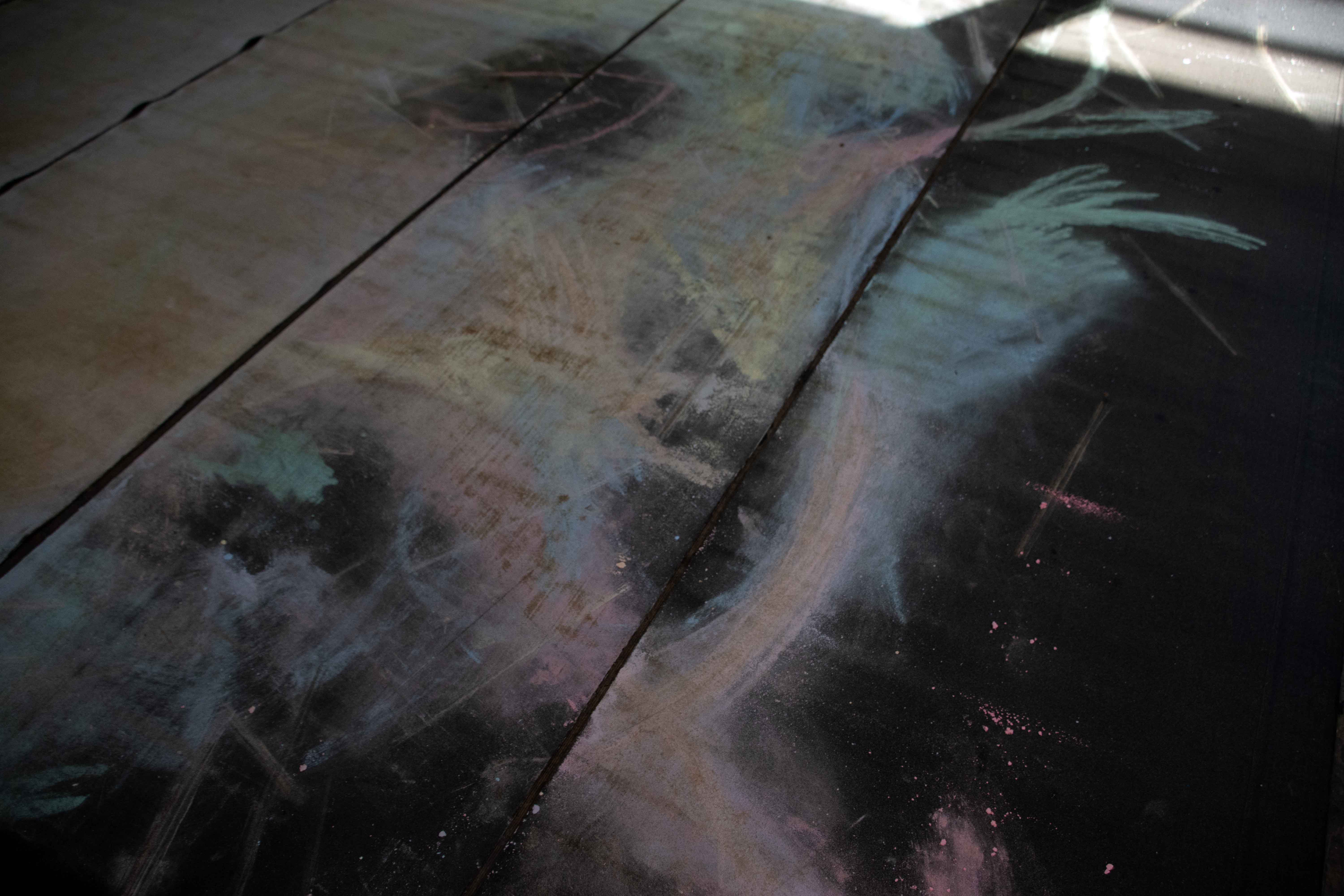
A litany of people gathers in front of the train station one by one, adding their weight to Solveig’s shoulders. Chalk drawings appear across the pavement and square, leaving pastel dust resting on their tongues like a sort of omen. Exposed belly buttons, layers of lipgloss, large backpacks mounted on little people, chubby hands fingering long tubes containing crisps. Solveig buys a scratch card. What for? Trying her luck? A better omen? A girl eats grated cheese from a ziplock bag while walking, averting her gaze in embarrassment when their eyes meet. Another woman tips a paper cup towards her mouth; some liquid escapes, staining her coat’s collar with a growing shadow.
Cheek by jowl she wakes with Cerberus on the duvet. He innocently licks his paws clean of salt, getting rid of the mineral crust, rainbow dusting the sheets. Becoming undone, waking and walking from the dream inside the dream with a slumbering sense of good faith and the idea that a conspiracy prevents them all from remembering how they came into the world. She tries to wash back the deluge of images, to locate a single true symbol amid the glut. But her mind recoils at the excess. Meaning multiplies like spores. She longs to disappear, to be absorbed by the feathers, the stains, the momentum of the day.”
Presented at Gevaertsdreef 01, Oudenaerde (BE)
A woman opening the doors, touching the soil of the plants, white, pink, touching the marble, flash. Going, again, to the last message you sent me, where you asked me to join you. Looking at the number under your name, wondering. Tired. Another fly entering, patterns, flash.
The solo exhibition “W_ H,” “SH ER,” and “S _P” by Myrthe van der Mark at Gevaertsdreef 01 presents an exploration in which the artist recalls a memory that never stops, despite the saying that memory is not always what the heart desires.
BIG DEAL, WE WENT TO THE MOON?
BIG DEAL
WE WENT TO MARS
BREAK ON THROUGH TO THE OTHER
SIDE, PATTI SMITH, 2025
QUORUM FORMA FULGET
IN FACIE VERSTRA
(whose form reflects in flash upon your face)
O VOS ANGELI, HILDEGARD VON BINGEN
2025
SPLATTERED LIGHT BEAMS
INTO PRISMS
THE GATE, BJÖRK
2025
PUELLE AGENTIS SECUNDUM OPERA QUE
SIBI DIXERAS
(of the girl acting according to the
works which you had spoken of to her)
ILLNESS (LETTER FROM JOAN OF ARC), RICHARD EINHORN
2025
P.S. All titles of the works are drawn from tracks in an NTS show a friend shared with me while working in Gevaertsdreef 01. Each title defines a space, gathering multiple works under its scope. Everything remains in flux: nothing is fixed, and things may shift or move.
FROM THE DEPTHS W/ DRAKEFORD: ODE 2 ROSALÍA
Exhibition text by Febe Lamiroy
Skein
“Solveigs’ fingers knead the fabric, rubbing in soap, mixing ointments, adding a blooming tincture, and patting balms and drops of solutions onto the cloth. “Out, damned spot” she murmurs. She feels she has been here before and now she’s here again. Before her mind's eye a sash of images unfurls, like a never-ending memory unspooling; another card on the mantlepiece, a figurine in a winding sheet, sea-buckthorn-orange stitching, a gesture towards hardened soil, a carved out hollow. Another vision swells, one of many shoes; graphic, ovoid, painterly and burlesque, marching along the mossy marches of her memory with their lacquered finishes in shades of black, white, and red. Some galloping, others trudging past without a sound, like a choir of silhouettes, rushing without terror.
Sleepdrunk, with her feet turning cold on the terracotta tiles, the early sun spills through the crevices. Solveig opens the sliding door just a sliding sliver, enough for her to shoehorn her face into the aperture. She examines the sky, a slate-grey wall paling at its edges. The lighter’s metronomic clicking, the squeaky drag of the cigarette’s end, her face still pressed into the opening, blowing out the smoke from between pursed lips. A gaggle of geese takes flight from between the reeds, becoming a skein once in the air, V-wedging southward. Her breath loosens, then tightens again in her chest.
The sweet scent of rice entices her back inside. Thistles stand suggestively in their vase on the countertop. The coffee churns in a vortex, its swirling black liquid refusing to settle. The rice is soaked, rinsed, and boiled, chestnuts are placed on top to steam together for a moment. Glancing across the kitchen, she still sees the ruffled feathers strewn around the floor. In growing anxiety she cries, “Out, damned spot!” Cerberus lifts his head. Another image intrudes; a votive wrought of chestnut-shaped stains on burgundy leather, morphing into flattened hot-pink chewing gum, spat with force onto the pavement.
Somewhere on the brink of intention and intuition, Solveig marches. Thin streams of icy air slide down the layers of shorn wool, cashmere, and silk, reaching for her throat. Nipples rising in their pinkness. Hunched forward against the lashings of wind, her entirety enveloped in a rainproof polyester shell. Cerberus trots by her side, curiously looking behind him to check if she is still following him, that she hasn’t vanished just yet. His hyena coat spangled with dew that breaks into prismatic freckles, stained glass scattered across his fur. Solveig believes that perhaps a dog is a way for us to like the world despite everything. Cerberus is an empathy machine on four legs, ordering the world for her by walking ten steps ahead like a moral snowplough. The shadows of his spindly legs lengthen as they pass various congregations of farm animals; chickens and ducks, young bulls, horses, rabbits, sheep, and a lone Kashmiri goat. On the pasture the horses move widdershins and kaleidoscopic; their legs wrap around each other, they swirl around their axis. Solveig’s somber eyes staring from under cow-licked eyebrows. Church bells draw nearer, affirming the morning in its unveiling.
A litany of people gathers in front of the train station one by one, adding their weight to Solveig’s shoulders. Chalk drawings appear across the pavement and square, leaving pastel dust resting on their tongues like a sort of omen. Exposed belly buttons, layers of lipgloss, large backpacks mounted on little people, chubby hands fingering long tubes containing crisps. Solveig buys a scratch card. What for? Trying her luck? A better omen? A girl eats grated cheese from a ziplock bag while walking, averting her gaze in embarrassment when their eyes meet. Another woman tips a paper cup towards her mouth; some liquid escapes, staining her coat’s collar with a growing shadow.
Cheek by jowl she wakes with Cerberus on the duvet. He innocently licks his paws clean of salt, getting rid of the mineral crust, rainbow dusting the sheets. Becoming undone, waking and walking from the dream inside the dream with a slumbering sense of good faith and the idea that a conspiracy prevents them all from remembering how they came into the world. She tries to wash back the deluge of images, to locate a single true symbol amid the glut. But her mind recoils at the excess. Meaning multiplies like spores. She longs to disappear, to be absorbed by the feathers, the stains, the momentum of the day.”
Presented at Gevaertsdreef 01, Oudenaerde (BE)